







Search Results for: blend bean plan
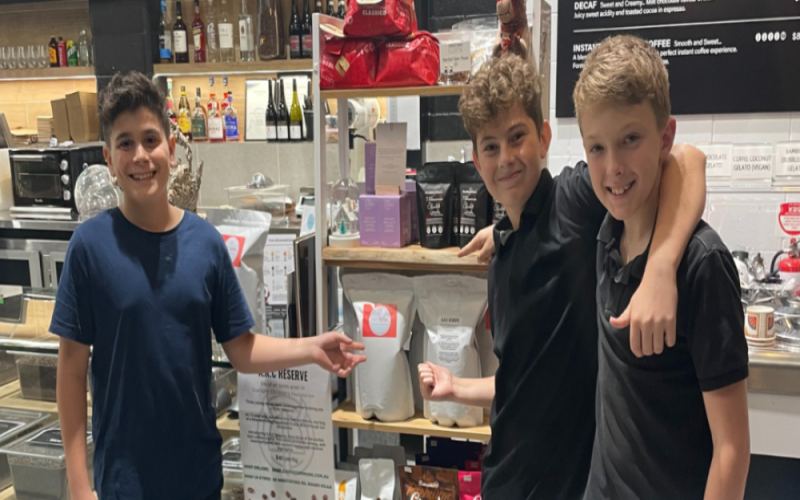
Three 12-year-old Australian teenagers founded the ARC coffee brand: an entrepreneurial journey from a school assignment to specialty espresso blends
While most 12-year-olds are still adjusting to school life, three teenagers from Australia—Arlee, Rocco, and Cristiano—have turned a school holiday assignment into a real coffee company: ARC Inc. From visiting local roasting workshops to finalizing their blend, from designing the brand identity to going door-to-door to sell their product, they personally completed the entire process of green bean selection, roasting quality control, packaging design, and sales planning. They created an espresso blend that combines flavors from Brazil, Australia, and Costa Rica, and donate 5% of the net income from each bag to a children's charity. This is not just a story about coffee, but also a practical lesson in growing up—about collaboration, gratitude, and the power of taking action. [more…]
Cold Brew Bean Guide: Bean Selection Plans for Every Budget and Taste, All in One Place
Once you've decided to start making cold brew, the first question is always the same: which beans should I buy? Today, we're giving you three bean plans based on two dimensions—budget and taste—so whether you're just "casually drinking" or "seriously savoring," you can find the right match. Plan One: Beginner's tasting type (spend a little first to test the waters). If you're making cold brew for the first time, don't [more…]

Breaking Down the Degassing Cycles of Blends and SOE: Calculate the Peak Flavor Window and Plan Your Drinking Rhythm
Freshly roasted coffee beans are wrapped in a large amount of carbon dioxide inside; these gases are slowly released over the following weeks, directly affecting the extraction efficiency of hot water and the expression of flavor. Espresso blends and single-origin espresso beans, due to differences in roast depth and bean texture, do not share the same gas release rate and peak flavor fullness. [more…]
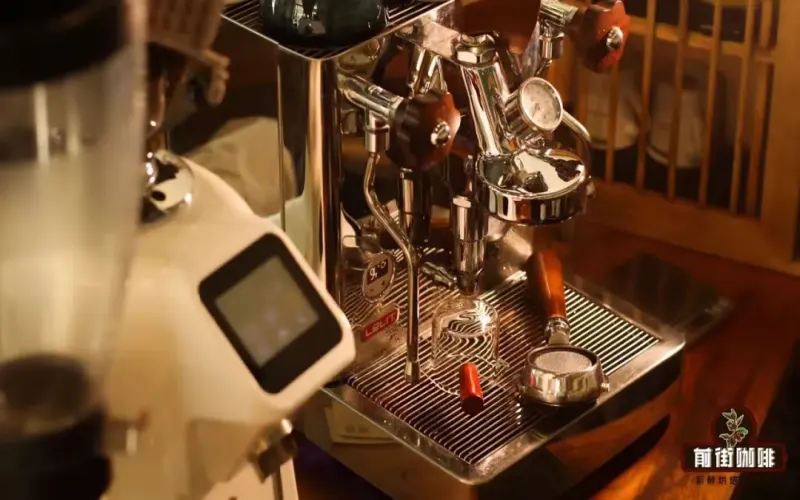
From Flavor Positioning to Ratio Debugging: A Complete Design Framework and Practical Methods for Espresso Blends
Blending coffee is not simply mixing beans together, but a systematic design built around three major goals: cost control, flavor creation, and consistency in the cup. Drawing on Front Street Coffee's practical experience, this article examines the trade-offs between two approaches—blending raw beans and blending roasted beans—and analyzes the roles that varieties such as Brazil Cerrado, Costa Rica Tarrazú, Colombia Huila, and Ethiopia Yirgacheffe play in a blend. It then designs three recipes with Yirgacheffe as the lead note for a cupping comparison, further fine-tunes the ratios, and verifies them on an espresso machine, ultimately arriving at a blend that balances flavor integrity with mouthfeel performance. [more…]
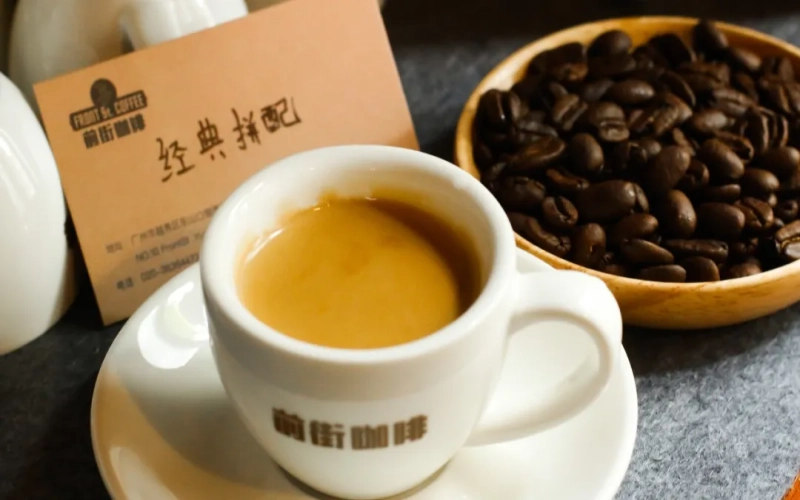
A Comprehensive Analysis of Espresso Blends: Blending Goals, Selection Strategies, and the Differences Between Raw and Roasted Blending
Blending coffee is not simply mixing beans together, but rather combining beans of different varieties, origins, or roast levels as needed—usually 2 to 5 kinds—to achieve a balanced taste, stable flavor, or a unique flavor profile. This article starts with the definition of blending and its four main purposes, explaining how to determine the best approach through cupping and a blending plan, and distinguishing the differences between raw blending and roasted blending. At the same time, drawing on three classic espresso blends from the Front Street brand—Classic Blend, Strawberry Candy Blend, and Dark Cocoa Blend—it offers specific selection advice for enthusiasts with different taste preferences. [more…]
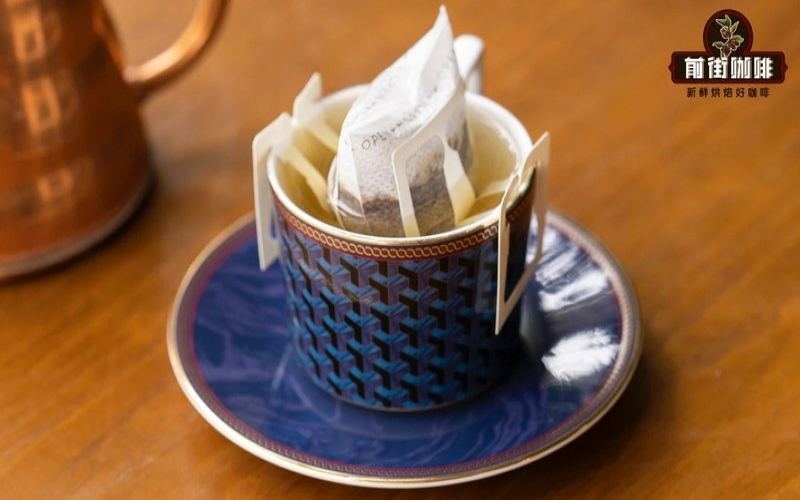
From roast date to opening date: planning the drinking clock for espresso blend beans
Espresso blend beans begin a period of change from the moment roasting is complete: in the early stage they release a large amount of carbon dioxide, in the middle stage the aroma and extraction gradually open up, and in the latter stage they slowly lose their vibrancy. When beginners choose beans, they don't need to treat "the closer to the roast date, the better" as a rule; instead, they should let the dates of arrival, opening the bag, and finishing the beans fall within a suitable flavor window. [more…]
A Guide to Making Single-Origin Espresso (SOE): How It Differs from Blends, Flavor Characteristics, and Extraction Adjustment Methods
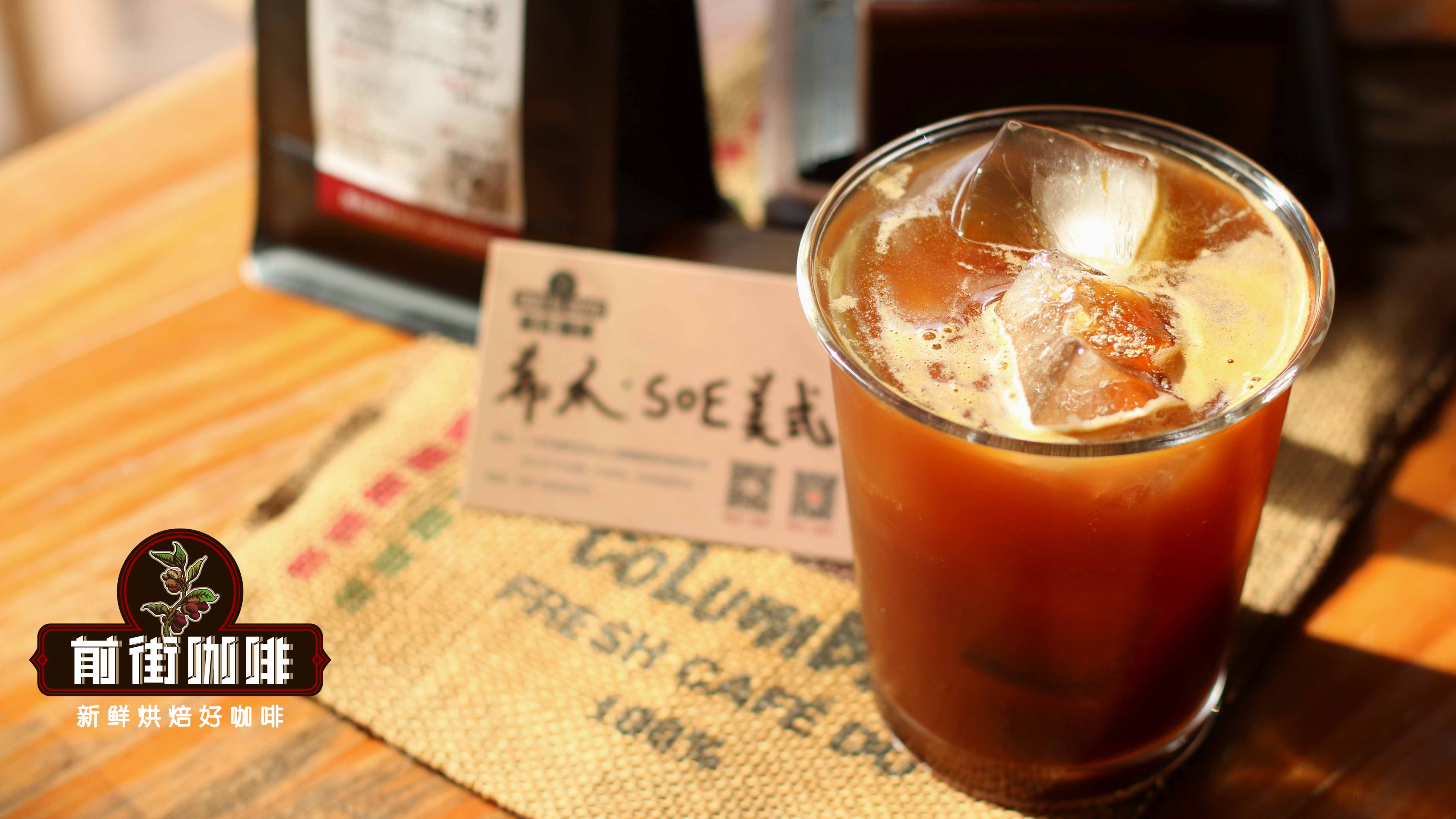
In recent years, the term SOE has become increasingly common in cafés. It refers to Single Origin Espresso, as opposed to espresso blends. Because espresso amplifies all the flavors of coffee, the strengths and weaknesses of single-origin beans are easily brought to the fore, which places higher technical demands on stages such as roasting and grinding. Starting from the definition of SOE, this article sorts out how it differs from blended beans in terms of stability and flavor performance, and, centering on whether light-roast SOE is necessarily sharply acidic, how to devise an extraction plan according to the purpose of drinking, and how to correct common problems such as sharp acidity, a short finish, unpleasant flavors, or too thin a body by adjusting grind size and extraction yield, it offers actionable ideas and reference parameters. [more…]

How to Use an Espresso Machine | Which Espresso Blends Are Suitable for Semi-Automatic Espresso Machines? Espresso Bean Origins, Varieties, Prices, and Espresso Extraction Ratio Plans
Espresso was invented by MR. Gaggia in 1946. Gaggia further improved the piston pressure system—using spring pressure instead of manual pressing, so that the brewed coffee is topped with a layer of golden coffee crema (Crema), which is Crem [more…]
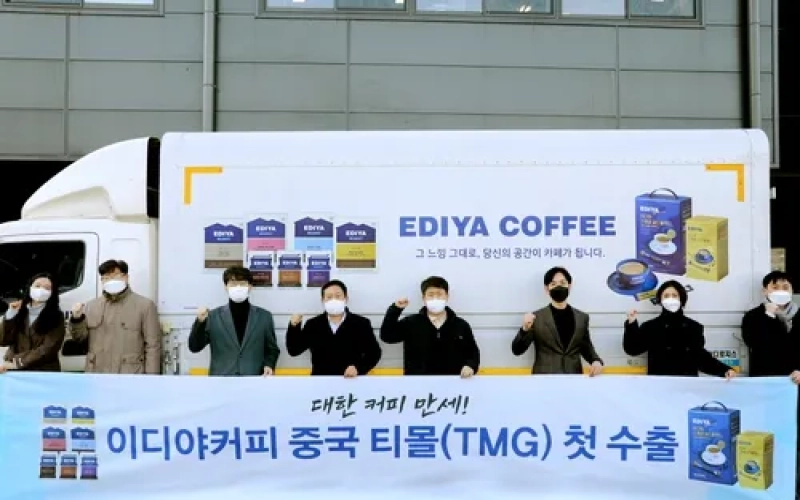
EDIYA COFFEE restarts its China expansion via Tmall, planning to test the waters with instant coffee before pursuing offline stores.
EDIYA COFFEE, the chain coffee brand with the largest number of stores in South Korea, recently announced that it will officially launch on Tmall within a month, focusing on products such as instant coffee, capsule coffee, and blended teas. This is not the brand's first foray into the Chinese market—as early as 2005 it set up a branch in Beijing, but withdrew in disappointment three years later due to a lukewarm market response; in 2018 it once again announced it would return to open stores in Beijing, but the plan was shelved due to the rise of local brands such as Luckin and Manner. This time, entering via cross-border e-commerce in a roundabout way, whether EDIYA COFFEE can carve out a share in China's coffee market, where instant and freshly ground coffee are waxing and waning, is worth watching. [more…]
Coffee Shop Espresso + Pour-Over Dual-Line Bean Selection Plan
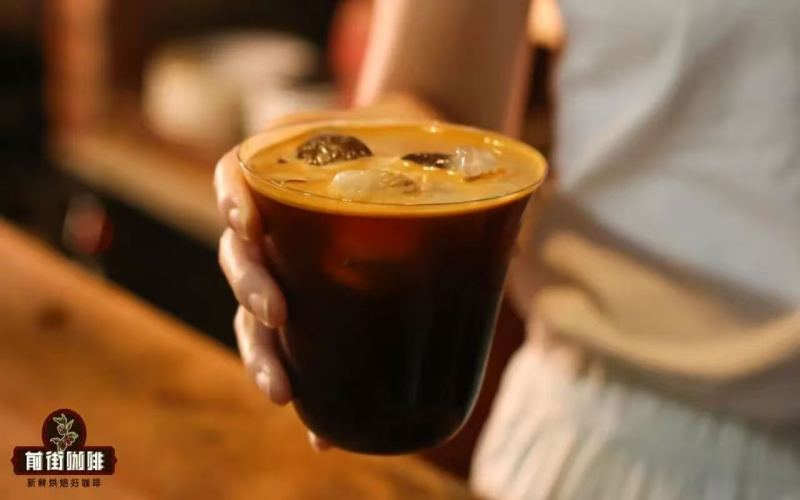
A well-established coffee shop usually needs to manage two product lines simultaneously: the espresso line and the pour-over line. The espresso line handles daily cup volume and revenue, while the pour-over line showcases professionalism and increases the average transaction value. The two lines use different bean strategies, but both require careful configuration. Espresso line: stable output, controlled costs, memorable highlights [more…]
Coffee blend bean planning | What is the difference between single-origin beans for pour-over and espresso blend beans? How do you determine the types of espresso blend coffee beans and the blending ratio?
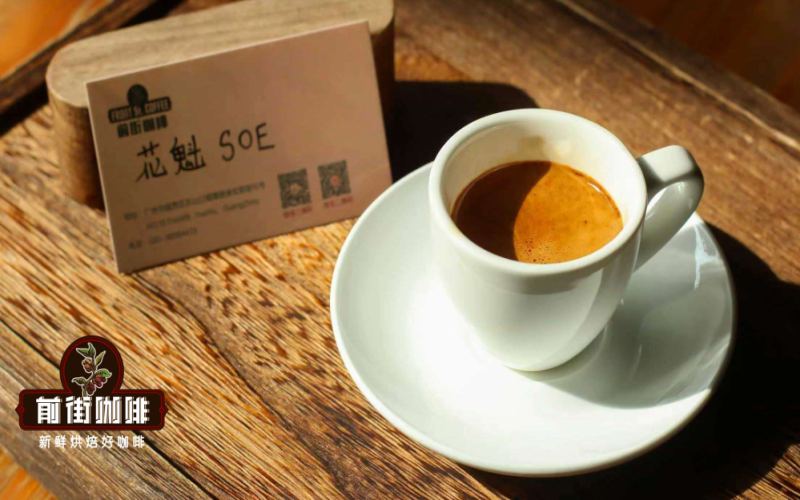
What are blended coffee beans? What is Front Street Coffee's espresso blend ratio? Which beans are best for blended coffee beans? Recently, a friend asked Front Street Coffee (FrontStreet Coffee): "Are all coffee beans suitable for making espresso?" No~ not all [more…]
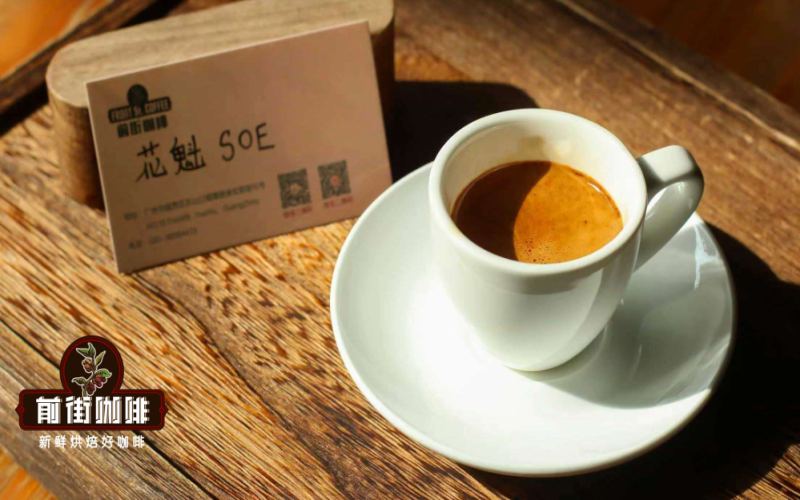
Coffee blend bean plans | What is the difference between single-origin pour-over beans and espresso blend beans? How do you determine the types of espresso blend coffee beans and the blending ratio?
What are blended coffee beans? What is the blending ratio for Front Street Coffee's espresso beans? Which beans are best for blended coffee beans? Recently, a friend asked Front Street Coffee: "Are all coffee beans suitable for making espresso?" No~ not all [more…]
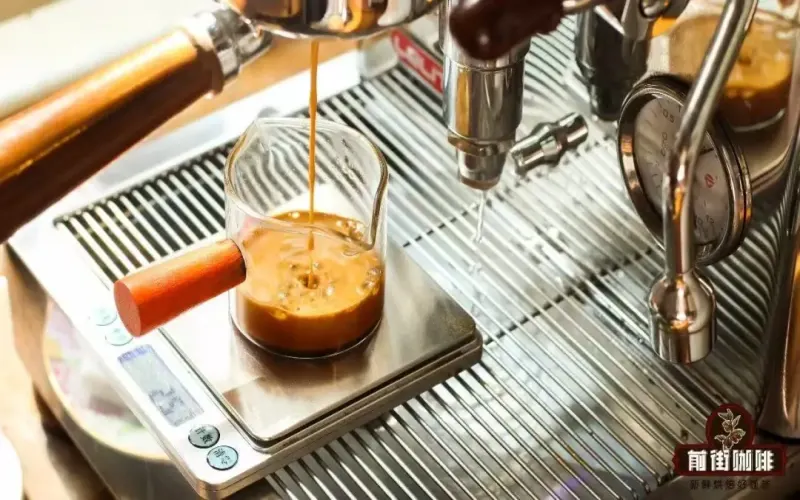
Espresso Extraction Time and Dose Standards: A Comprehensive Analysis of Blend Recipe Techniques
In the world of espresso, extraction time and dose standards directly affect the consistency of the final product, and the formulation design of blended beans is an even more profound field worth exploring. Front Street Coffee is often asked: Can single-origin beans be used for espresso? Can espresso beans be used for pour-over? This article will answer these questions from three perspectives—cost, stability, and crema—and systematically share the four core points of blending coffee beans: from bean selection, removing defects, understanding characteristics, to mastering roasting attributes, helping coffee enthusiasts build a clear espresso blending logic. It also includes the standard extraction parameters for espresso for daily reference. [more…]
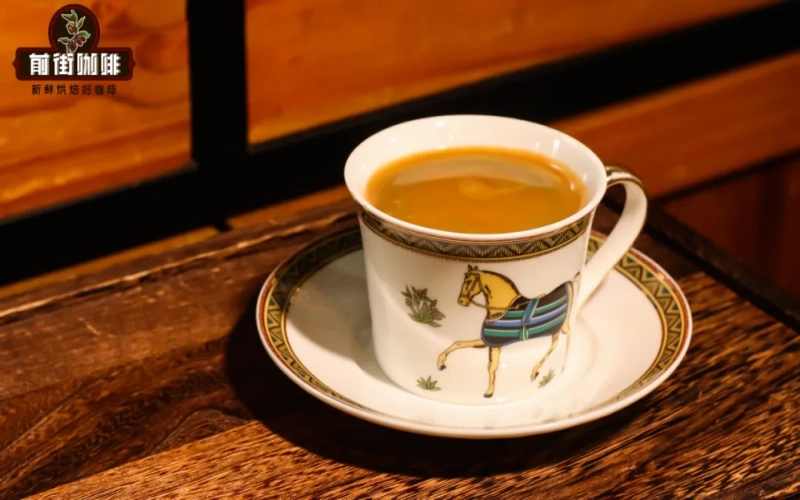
Why Does Hot Americano Taste as Bitter as Chinese Herbs? From Bean Selection to Extraction, a Guide to Making Smooth Americano
Hot Americano is often teased for having a bitter taste reminiscent of "Chinese herbal medicine" or "herbal tea," so many people switch to iced Americano. But when the weather turns cold, a warm cup of coffee is still a must. Why is hot Americano more bitter than iced Americano? The key lies in the fact that high temperatures amplify the taste buds' perception of bitterness, while higher concentration makes the flavors more intense. However, temperature and concentration are merely amplifiers—what truly determines the upper limit of bitterness is the coffee beans and the extraction plan. This article systematically explores how to make hot Americano smoother, from coffee bean roast level and extraction rate adjustments to fine particle handling, and retains recommendations for multiple Front Street Coffee bean varieties, helping you make a balanced, easy-drinking cup of Americano at home or in a shop. [more…]
After the roast date, blends and SOE each have their own drinking calendar.
After coffee beans leave the roaster, they continue to release carbon dioxide, and their aromas are still in a phase of recombination. Freshly roasted beans do not necessarily mean better taste right away: when there is too much gas, espresso can be erratic, and the pour-over coffee bed will visibly puff up. Understanding the changes after the roast date makes it easier to plan out the drinking rhythm for a bag of beans. [more…]
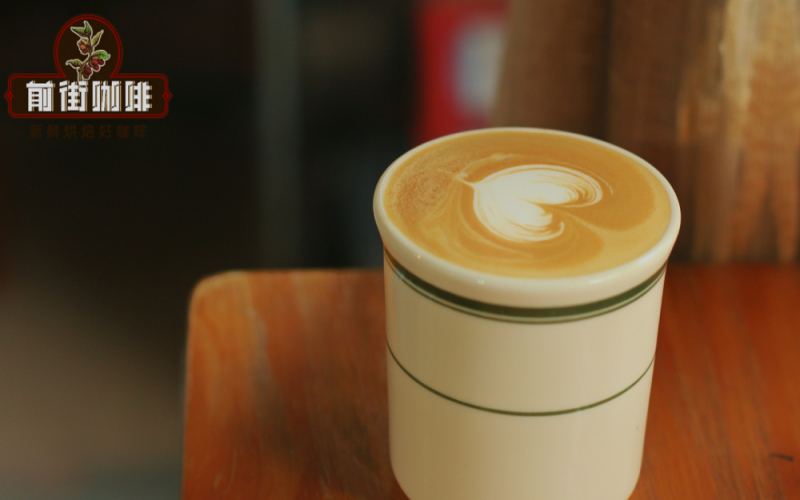
What is the difference between a Flat White and a Latte? A detailed explanation of the origins, ratios, and Front Street Coffee's classic method for Australian White coffee
Many people first heard of the Flat White in 2015, when Starbucks added it to its permanent menu under the name "Fu Rui Bai." After that, a flurry of other names emerged, such as Costa's "Chun Yi Bai" and Luckin's "Ao Rui Bai," while the baristas at Front Street Coffee prefer to call it "Ao Bai." This milk coffee originating from the Southern Hemisphere—how exactly does it differ from a latte or a cappuccino? Why does it taste more strongly of coffee, with thinner milk foam? This article traces its origins and explains its recipe, helping you grasp the core logic of the Flat White, and includes Front Street's complete method for making a Flat White with the Warm Sun Blend. [more…]
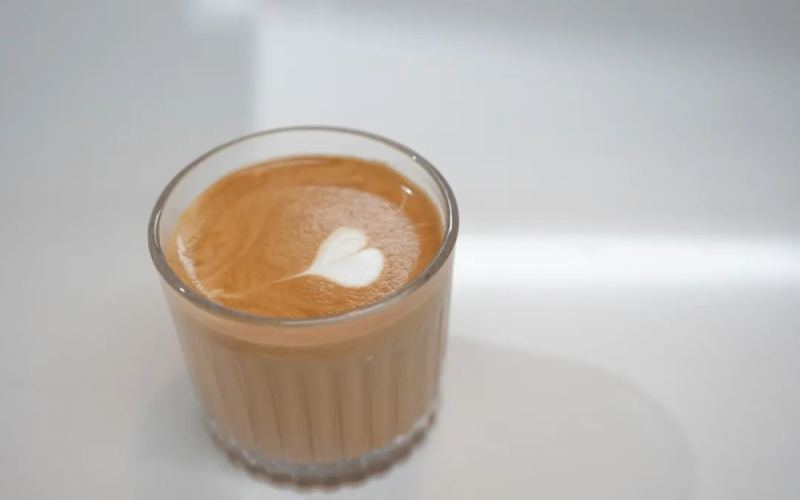
Does Flat White Contain Sugar? A Detailed Explanation of the Number of Espresso Shots and the Production Process of Luckin's Aussie White
Flat White coffee, which is called Fu Rui Bai on Starbucks menus and Ao Rui Bai at Luckin, comes with no sugar by default and highlights the richness of coffee and the smoothness of milk. Its biggest difference from a latte lies in the thinner milk foam, smaller cup size, and lower proportion of milk, while the espresso base is often switched to Ristretto. This article breaks down the production logic of a Flat White from the perspectives of milk foam thickness, milk quantity, and espresso extraction parameters, and, combined with Front Street Coffee's store serving plan, introduces the flavor performance of Warm Sun blend beans in a Flat White, helping coffee lovers understand why this milk coffee tastes richer. [more…]
The Cafe Owner's Espresso Bean Shopping List: How to Pair Four Blends for Maximum Peace of Mind
For opening a coffee shop, espresso beans are the ingredient used in the largest quantity and have the greatest impact on product consistency. Choose wrong, and either costs spiral out of control or your drinks lack distinction; choose right, and a single machine can support most of the menu. Today, from the perspective of a shop owner, let's clearly explain the positioning and pairing plans for Front Street Coffee's four espresso blends. First, let's clarify: [more…]
What's the difference between a Flat White and an Aussie White? A comprehensive guide from ordering tips to Front Street Coffee's recipe
Flat White, this milk coffee originating from the Southern Hemisphere, is called 馥芮白 at Starbucks, 醇艺白 at Costa, and 澳瑞白 at Luckin, while baristas at Front Street Coffee prefer to call it 澳白. How exactly does it differ from a latte or a cappuccino? Why should the milk foam be kept within 0.3cm? How do the three elements—small cup size, thin milk foam, and a ristretto base—come together to make a delicious Flat White? This article will break down the characteristics of this beverage one by one, from its historical origins, its differences from a latte, and key points for ordering, to the complete recipe at Front Street Coffee, helping coffee lovers find the cup that suits them best whether ordering or making it at home. [more…]
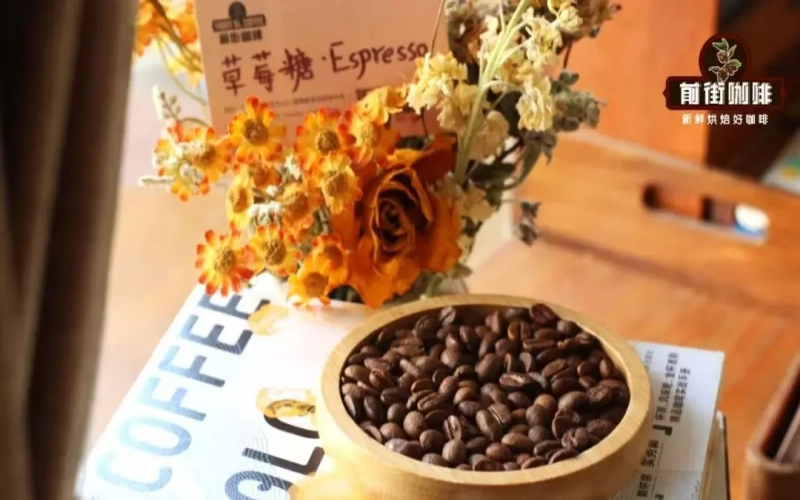
Can Espresso Beans Be Brewed as Pour-Over? A Full Analysis of Blend, Single-Origin, and SOE Characteristics and Brewing Parameters
Many coffee enthusiasts are curious: can espresso beans be used for pour-over? The answer is of course yes, but between "can brew" and "tastes good" lies a gulf of parameters. Espresso beans are usually roasted darker, with the aim of balancing the acidity and bitterness for both milk coffee and espresso. If you directly apply the parameters for light-roast pour-over beans, it is very easy to over-extract. This article starts with the differences in roasting, explains the respective characteristics of espresso blend beans, single-origin pour-over beans, and SOE, and, using Front Street Coffee's Huakui and Strawberry Candy Espresso as examples, provides pour-over adjustment plans for medium-roast espresso beans—lowering the water temperature and coarsening the grind—so as to brew a balanced, full-bodied coffee with a long, lingering finish. [more…]